Wednesday, June 18, 2014

Thursday, October 10, 2013
The Used Truck Buyer's Guide - Part I
Truck Classification
Truck classification has changed a lot over the years. When trucks first started being built, they were classified by their payload capacity, which means how much stuff they could carry. The standard ratings were 1/2 ton, 3/4 ton and 1 ton. Some people even consider compact pick ups like the Chevrolet S-10 and Ford Ranger to be 1/4 ton trucks. So what do these tonnage ratings mean now? Nothing really. Even though the old ratings are still used to classify trucks, they aren't accurate.
The best way to keep truck classification straight is to think of the ton ratings as a basic guide. A way to generally separate the different classes of truck. A good rule is to follow these classification guidelines:
 |
2006 Dodge Ram 1500 |
1/2 Ton - Light duty trucks like Ford F-150's, Chevy's 1500's, Dodge 1500's and so on. These are your entry level trucks designed for personal use. Dump runs, helping friends move, light towing and hauling are all fine to do with a 1/2 ton truck.
 |
2007 Chevrolet 2500 |
3/4 Ton - Medium duty trucks like the Ford F-250, Chevy 2500, Dodge 2500, etc.. Medium duty trucks are a bit beefier and capable of more difficult tasks than the 1/2 ton trucks. Some light commercial work, more difficult towing and hauling are where the 3/4 ton shines.
 |
2006 Ford F350 XLT |
1 Ton - Heavy duty trucks like the Ford F-350, Chevy 3500, Dodge 3500, you get the idea. This is where you can really put the truck to work. 1 ton trucks can handle much heavier loads, large fifth wheel trailers, and can handle much more abuse.
Hopefully this information helps clear up any confusion you may have about truck classification and tonnage ratings. It is important to understand that not all trucks are created equal. Make sure you have a clear idea of what you will be using your truck for so you can pick the right one.
The Used Truck Buyer's Guide - Intro
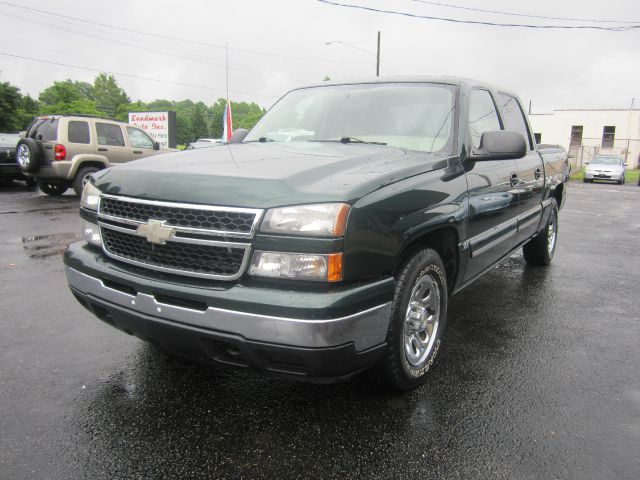 Let's face it, trucks are just plain useful. Dump runs, moving, towing, hauling and having fun are all part of a truck's resume. They are the Swiss Army Knives of the automotive world. Yet new trucks can cost an arm and a leg these days. Do you really want a truck that cost you so much you're scared to get it scratched or dirty? I know I don't. So that leaves buying a used truck as the only reasonable option for most of us.
Because of the way trucks are used and sometimes abused, they present their own set of challenges when shopping for one. You probably aren't going to be concerned about towing capacity or lift kits when looking for a Toyota Camry for instance.
In this series of articles we will be discussing some of the Do's and Don'ts of shopping for and buying a used truck. Whether you are looking for a smaller, fuel efficient pick up or a big bruising 1 ton diesel, you are sure to pick up (pun intended) a few tips that will save you time and money.

There are many used truck specific things to look out for when shopping for one. We will explain more details of each area in the following articles. These areas are:
Truck Classification - This statistic has become more and more confusing over time. Most people and dealers refer to trucks as being 1/2 ton, 3/4 ton or 1 ton. In a nutshell, this relates to how much weight the truck can tow or haul.
Body Configuration - Trucks come in all shapes and sizes. Regular cab, shortbed, crew cab, long bed and lots more...
Drivetrain - From basic two wheel drive to four wheel drive to all wheel drive. The basics: how many wheels are actually being powered when and why.
Engine Type - Being trucks, you have all sorts of options that can get more than a little confusing. It all depends on what you will be using the truck for.
Brand Specific Details - Yes, there are definitely Chevy people, Ford people, Dodge people and so on. However, each brands' trucks do have their own special quirks that you should know about before buying one.

Wednesday, September 18, 2013
Important Changes to Vehicle Property Taxes in North Carolina
"The North Carolina General Assembly passed House Bill 1779, creating what we call the Tag and Tax Together program – a more streamlined method for vehicle owners to pay their registration and vehicle taxes. Beginning in 2013, annual registration fees and vehicle property taxes will be paid to the Division of Motor Vehicles. In turn, the DMV will distribute the taxes to the appropriate counties."

"beginning 9/1/13, vehicle property taxes are due at the time the title work is done, but payment may be delayed if the dealer chooses not to collect property tax. If payment of vehicle property tax is delayed, the owner will receive a Limited Registration Plate (LRP), issued by dealers using online titling systems, or the license plate agency, with a “T” (for temporary) sticker. The “T” sticker will expire no earlier than 60 days after the vehicle is titled. When the LRP is delivered to the owner, a Limited Registration and Property Tax Notice stating the amount of the vehicle property taxes due will also be provided by the dealer or the license plate agency."
Also, either you or the dealer can choose to delay your payment of the property tax according to the "Tag & Tax Together" program instructions.
I suppose we will all have to wait and see how these changes really affect us in the long run. What are your thoughts on these changes?

Friday, August 16, 2013
3 Smartphone Apps That Will Save Car Shoppers Time And Money
Buying a used vehicle can be a daunting task. In the old days it involved hours and hours of going from one dealer to the next, being bombarded with sales pitches and clunkers. But now, thanks to the wonderful world of smartphone apps, there is help you can get to guide you through the buying process from the comfort of your home. Following are just a few of the apps available that could help save you time and more importantly, money.
 CARGURUS APP
This is a great app to help you search for a vehicle to purchase. It has the ability to select your search radius, price range, make, model and year. The app will also compare the vehicle you are looking at to similar vehicles in your search radius. Cargurus gives car shoppers as much if not more tools to make an informed purchase than any other online resource.

AUTOCHECK APP
This app will give you the entire Vehicle History Report for any vehicle you choose. It has the ability to not only accept a VIN you type in, but also scan the barcode located inside the door on newer vehicles.
 STREETOWL APP
One aspect of vehicle cost that a lot of people forget about is insurance. One way to help save you money is the Streetowl App. This neat little app will record your driving habits and make that information available to insurance companies. This could save safe drivers considerably.
Do you know of any other apps tailored for used car shopping? Please share them with us.
CARGURUS APPThis is a great app to help you search for a vehicle to purchase. It has the ability to select your search radius, price range, make, model and year. The app will also compare the vehicle you are looking at to similar vehicles in your search radius. Cargurus gives car shoppers as much if not more tools to make an informed purchase than any other online resource.
AUTOCHECK APP
This app will give you the entire Vehicle History Report for any vehicle you choose. It has the ability to not only accept a VIN you type in, but also scan the barcode located inside the door on newer vehicles.
One aspect of vehicle cost that a lot of people forget about is insurance. One way to help save you money is the Streetowl App. This neat little app will record your driving habits and make that information available to insurance companies. This could save safe drivers considerably.
Do you know of any other apps tailored for used car shopping? Please share them with us.
Friday, August 9, 2013
How Can You Avoid The "Low Down" Trap?
We meet customers all the time who come to our dealership asking "how much do I need down?" While it is certainly a valid question, it is always difficult to answer when it is the first thing a person says to you. It is probably a result of two things. Firstly, the economy has forced many people into situations where coming up with a large down payment for a car isn't possible. The second is the overwhelming number of advertisements from car dealers stressing a low down payment as the chief selling point.
Unfortunately, the whole low down payment scheme can be a big trap for used car buyers for a number
of reasons. Some used car dealers are able to offer low down payments with Buy Here Pay Here financing because they get vehicles cheap. Not cheap as in wow I got a great deal, but cheap as in you shouldn't buy it and no reputable finance company would touch it. Getting salvage, flood or branded titled vehicles is much cheaper for used car dealers than getting them with clean titles. Often the title status isn't disclosed to the buyer until papers are being signed or not at all. This practice is not only dishonest but is also illegal. Always, and we can't stress this enough, always ask if the vehicle you are purchasing has a clear title.
Another trap used car buyers fall into in the low down payment scheme is interest. Some dealers take advantage of the knowledge that a buyer is desperate to find transportation. The dealer will accept a low down payment on a vehicle. Yet after all is said and done, the buyer ends up paying over twice what the vehicle is worth because the dealer tacked on a ridiculous interest rate. As a buyer, you should always know exactly what your total payout will be for a vehicle.

 |
| (Photo credit: Wikipedia) |
Unfortunately, the whole low down payment scheme can be a big trap for used car buyers for a number
of reasons. Some used car dealers are able to offer low down payments with Buy Here Pay Here financing because they get vehicles cheap. Not cheap as in wow I got a great deal, but cheap as in you shouldn't buy it and no reputable finance company would touch it. Getting salvage, flood or branded titled vehicles is much cheaper for used car dealers than getting them with clean titles. Often the title status isn't disclosed to the buyer until papers are being signed or not at all. This practice is not only dishonest but is also illegal. Always, and we can't stress this enough, always ask if the vehicle you are purchasing has a clear title.
Another trap used car buyers fall into in the low down payment scheme is interest. Some dealers take advantage of the knowledge that a buyer is desperate to find transportation. The dealer will accept a low down payment on a vehicle. Yet after all is said and done, the buyer ends up paying over twice what the vehicle is worth because the dealer tacked on a ridiculous interest rate. As a buyer, you should always know exactly what your total payout will be for a vehicle.
Sometimes what seems like a good deal is nothing but a "Low Down" dirty trap. But if you are vigilant and ask the right questions you can avoid being caught by it.
Have you ever been trapped into a bad deal on a used car? Tell us your story here.
Wednesday, August 7, 2013
Understanding Vehicle History Reports
Almost everyone has seen the little fox on TV. The cute and cuddly guy is a memorable and effective marketing tool for the company he represents. The truth is that there are a number of other companies that provide Vehicle History Reports to car shoppers. Which company you should use isn't something we will get into here. As long as the company has access to the correct vehicle data, the choice is yours.
So where does all this vehicle information come from?
The vast majority of the information comes from the (deep breath) National Motor Vehicle Title Information System, or NMVTIS for short. What is NMVTIS? As their website states:
"The National Motor Vehicle Title Information System (NMVTIS) is an electronic system that provides consumers with valuable information about a vehicle's condition and history. Prior to purchasing a vehicle, NMVTIS allows consumers to find information on the vehicle's title, most recent odometer reading, brand history, and, in some cases, historical theft data."
How does the NMVTIS get the vehicle information?
This is where the Good and the Bad of Vehicle History Reports comes in.
The Good: The NMVTIS gets it's information from a variety of sources. State agencies, insurance companies, repair shops, vehicle auctions, salvage yards and any other source that meets NMVTIS standards. This makes for a very large pool of information sources.
The Bad: The NMVTIS relies on these outside sources to report all of the vehicle information they provide. This means for instance, that if a repair shop that rebuilds a vehicle damaged from a crash does not report the repair to the NMVTIS, then that repair will not show up on any Vehicle History Report. If that same repair shop does report the repair but incorrectly reports the Vehicle Identification Number (VIN), then not only would the repair not show up for that vehicle, but it may show up on another vehicle's history report in error.
So how much should I rely on Vehicle History Reports?
Even with the possibility of errors or missing information, Vehicle History Reports are an important part of the car buying process. They give you, the buyer, a starting point when you find a car you are interested in purchasing. You will see whether the car has been driven in snow states or in warm weather. You will see how many owners it has had. You will also see the car's history of emissions tests. This is all valuable information in terms of whether you want take the next step in the purchase process or if you choose to find a different vehicle.
 If a Vehicle History Report does show that a vehicle has been in an accident or has had repairs, don't automatically rule it out. Have the vehicle checked out by a qualified mechanic to verify that the vehicle was, in fact, repaired as stated in the report and if so, that the vehicle was repaired properly. Whether the vehicle checks out or not, you can then make a more informed purchase decision.
There is no easy answer and no single source of information when buying a used vehicle. But the more information you have, the more likely you are to purchase the car of your dreams, not a nightmare of a lemon. Vehicle History Reports are an important source of this information, as long as you understand exactly what they are, where the information comes from, and how to properly use them.
For more information on the NMVTIS, Vehicle History Reports and qualified service providers, please visit http://www.vehiclehistory.gov/.

So where does all this vehicle information come from?
The vast majority of the information comes from the (deep breath) National Motor Vehicle Title Information System, or NMVTIS for short. What is NMVTIS? As their website states:
"The National Motor Vehicle Title Information System (NMVTIS) is an electronic system that provides consumers with valuable information about a vehicle's condition and history. Prior to purchasing a vehicle, NMVTIS allows consumers to find information on the vehicle's title, most recent odometer reading, brand history, and, in some cases, historical theft data."
How does the NMVTIS get the vehicle information?
This is where the Good and the Bad of Vehicle History Reports comes in.
The Good: The NMVTIS gets it's information from a variety of sources. State agencies, insurance companies, repair shops, vehicle auctions, salvage yards and any other source that meets NMVTIS standards. This makes for a very large pool of information sources.
The Bad: The NMVTIS relies on these outside sources to report all of the vehicle information they provide. This means for instance, that if a repair shop that rebuilds a vehicle damaged from a crash does not report the repair to the NMVTIS, then that repair will not show up on any Vehicle History Report. If that same repair shop does report the repair but incorrectly reports the Vehicle Identification Number (VIN), then not only would the repair not show up for that vehicle, but it may show up on another vehicle's history report in error.
So how much should I rely on Vehicle History Reports?
Even with the possibility of errors or missing information, Vehicle History Reports are an important part of the car buying process. They give you, the buyer, a starting point when you find a car you are interested in purchasing. You will see whether the car has been driven in snow states or in warm weather. You will see how many owners it has had. You will also see the car's history of emissions tests. This is all valuable information in terms of whether you want take the next step in the purchase process or if you choose to find a different vehicle.
 If a Vehicle History Report does show that a vehicle has been in an accident or has had repairs, don't automatically rule it out. Have the vehicle checked out by a qualified mechanic to verify that the vehicle was, in fact, repaired as stated in the report and if so, that the vehicle was repaired properly. Whether the vehicle checks out or not, you can then make a more informed purchase decision.
There is no easy answer and no single source of information when buying a used vehicle. But the more information you have, the more likely you are to purchase the car of your dreams, not a nightmare of a lemon. Vehicle History Reports are an important source of this information, as long as you understand exactly what they are, where the information comes from, and how to properly use them.
For more information on the NMVTIS, Vehicle History Reports and qualified service providers, please visit http://www.vehiclehistory.gov/.
Monday, July 22, 2013
How To Purchase a Vehicle For Your Recent Graduate
 |
| Bentley Continental GT (II) (Photo credit: Wikipedia) |
Unfortunately, the reality is we all have to compromise. However, there are ways we can come closer to that perfect vehicle than you would think. Doing a little homework can go a long way. Take a top down approach.
Find out which vehicle types are cheapest to insure in your area. Sedans, SUV's, trucks, coupes, etc.. You can call your local insurance agent for this information. Next, from this list, find out which car manufacturers have the best service history in this vehicle class. You can get these statistics from many different places on the internet. Edmunds and Kelley Blue Book are just two of these sites.
 |
| (Photo credit: Robin Hutton) |
Once you have narrowed down your list to a particular vehicle make and model, time to go shopping. This is a step where you can save a lot of time using the internet as well. Websites like Cargurus and Carsforsale are good places to start. These sites will help you get an idea of what prices are in your area and what year range fits your budget. Pick out a few vehicles that look promising.
Now that you have your short list, be sure to check out the dealer that has listed the vehicle. Read online reviews, look at their websites and visit their social media sites to see how their customer relationships really are. Finally, call the dealers to check on the vehicles you picked, make sure they are still available and make appointments to see them.
 |
| Car Key (Photo credit: mynameisharsha) |

Saturday, July 20, 2013
A Quick Off Topic Side Note for Parents with Video Gaming Children
If your child plays video games more than you think is good for them, consider why they do it. How often in life do we as adults do everything the right way. We cross our T's and dot our i's, yet still, because of reasons beyond our control we get kicked in the teeth. Life is just that way. We can't control everything in life and we don't always get rewarded for the positive things we do.
For children, this situation is often amplified. Not only do they have to deal with everyday difficulties, but they also have to navigate it all while living by someone else's rules. They have no real control over their lives. Video games provide children with the ability to have some control. Do XYZ and you get rewarded.
It becomes many children's way to feel a sense of accomplishment. With the increase in online video gaming and it's changing emphasis towards social interactions, the child can actually begin to believe that their video game experience IS in fact their "real life."
It can be frustrating as a parent to try and pry our kids away from the controller. But keeping in mind why can help us and our children. There are a few things we can do to change our children's focus and their behavior.
1. Limit Their Video Gaming - Of course this sounds easier said than done, but if you incorporate some of the next step into it, you may be surprised. Make sure you sit down and talk to your child about this. Try to avoid letting your talk escalate into a shouting or pouting match. Gradually cutting down the time may work better for you than an immediate huge cut.
2. Give Them Some Control - Provide your child with tasks they are capable of completing using their own judgement and reward them for finishing them. Don't make the tasks too easy, it will lessen the child's feeling of accomplishment. It is important that you show your child that life can have rewards of it's own. Showing your pride in them will mean more than you think.
3. Be Patient - Remember, you are taking your child away from what they may view as their "real life." This can be very traumatic for them. Imagine yourself picking up and moving to a new state or country. It isn't easy. Stay calm even when your child is not. It is simply their resistance and fear of turning their life upside down.
 |
| English: The Xbox console with the S controller, made by Microsoft. (Photo credit: Wikipedia) |
It becomes many children's way to feel a sense of accomplishment. With the increase in online video gaming and it's changing emphasis towards social interactions, the child can actually begin to believe that their video game experience IS in fact their "real life."
It can be frustrating as a parent to try and pry our kids away from the controller. But keeping in mind why can help us and our children. There are a few things we can do to change our children's focus and their behavior.
 |
| No Video Games (Photo credit: Wikipedia) |
2. Give Them Some Control - Provide your child with tasks they are capable of completing using their own judgement and reward them for finishing them. Don't make the tasks too easy, it will lessen the child's feeling of accomplishment. It is important that you show your child that life can have rewards of it's own. Showing your pride in them will mean more than you think.
3. Be Patient - Remember, you are taking your child away from what they may view as their "real life." This can be very traumatic for them. Imagine yourself picking up and moving to a new state or country. It isn't easy. Stay calm even when your child is not. It is simply their resistance and fear of turning their life upside down.
 |
| Thumbs Up! (Photo credit: n2linux) |
Ultimately it's about what's best for your child. It is our job to make sure that when they grow into adults themselves, they are ready and capable of making good decisions not just for themselves, but for their own children too.
Friday, July 19, 2013
Summertime Means Storm time.
Summer has definitely hit us full force this year. Along with the heat have come what seems like daily thunderstorms. Mother Nature has her way no matter what we do. But, as motorists, it is up to us to make sure we are prepared for whatever Mother Nature throws our way.
Here are some tips to keep you safe and dry when the weather gets rough.

When its Hot - Obviously the air conditioning in your vehicle is your number one defense against heat while you are driving. As important as it is, you need to make sure it is kept in good shape. Do not wait until the middle of summer when you could fry an egg on the sidewalk to find that the air is not quite so cold anymore. At that time, most A/C service shops are booked up or charging an arm and a leg or both thanks to the laws of supply and demand.
Instead, take a pro-active approach. Each spring, have your A/C system checked out by a mechanic certified to work on A/C systems. Not only will you have a much easier time getting an appointment, you will also likely save money. (Supply and demand again)
Also, think about your vehicle's happiness. It needs to stay cool as well. You should always have your vehicle's cooling system checked while you are having your A/C inspected. It is one thing to be sweating while driving. It is a much bigger bucket of not fun to be sweating on the side of the road while looking at your car overheating.

When it's Wet - There are two really important ways to keep you dry and safe in the rain.
First are your tires. Making sure that your tires will keep you tracking straight and true in any weather is vital. You should check not only the tread left on your tires, but also check for unusual wear. Your tread should wear evenly from the inside of the tire all the way to the outside. You should also check for spots on your tires that are either slightly bulging or are worn. If you see bulging, have the tire check Immediately! This could be a sign of a soon to happen tire blowout. Not a good thing in any weather.
Second are your wiper blades. These should also be checked regularly. You do not want to be caught in a rain storm seeing only some faint redish blur in front of you! Wiper blades are not expensive. You can buy cheap replacements if you wish. We recommend spending a little extra and getting a good, name brand blade. The extra few bucks will be well worth it.

When it's Cold - Now I know it's summer time but if you haven't noticed by now, we try to teach being prepared. Be ready today for what may come tomorrow. Cold weather can pose some of the biggest challenges to motorists.
This is another time that your tires should be checked regularly for wear and tread depth. Also have your heating system checked so you can drive nice and toasty warm. If you live in an area that gets very cold, another good tip is to always make sure that you have at least a 1/4 tank of gas in your tank. Any less and you risk the gas itself actually freezing.
Sometimes, despite your best efforts, you may still get stuck somewhere you don't want to be, in weather you don't want to be in. This is another challenge you can prepare for. Always have an umbrella, an extra blanket, a jacket and a few bottles of water in your car. It may seem a bit over the top, but having these supplies on hand just may save your life.
Final Note - We all know that Mother Nature can be brutal at times. No matter how technologically advanced we get as a society, we are always at her mercy. With this in mind, please remember, if the weather gets really DON'T DRIVE! There is never a time when getting somewhere is worth your life.

Here are some tips to keep you safe and dry when the weather gets rough.

When its Hot - Obviously the air conditioning in your vehicle is your number one defense against heat while you are driving. As important as it is, you need to make sure it is kept in good shape. Do not wait until the middle of summer when you could fry an egg on the sidewalk to find that the air is not quite so cold anymore. At that time, most A/C service shops are booked up or charging an arm and a leg or both thanks to the laws of supply and demand.
Instead, take a pro-active approach. Each spring, have your A/C system checked out by a mechanic certified to work on A/C systems. Not only will you have a much easier time getting an appointment, you will also likely save money. (Supply and demand again)
Also, think about your vehicle's happiness. It needs to stay cool as well. You should always have your vehicle's cooling system checked while you are having your A/C inspected. It is one thing to be sweating while driving. It is a much bigger bucket of not fun to be sweating on the side of the road while looking at your car overheating.

When it's Wet - There are two really important ways to keep you dry and safe in the rain.
First are your tires. Making sure that your tires will keep you tracking straight and true in any weather is vital. You should check not only the tread left on your tires, but also check for unusual wear. Your tread should wear evenly from the inside of the tire all the way to the outside. You should also check for spots on your tires that are either slightly bulging or are worn. If you see bulging, have the tire check Immediately! This could be a sign of a soon to happen tire blowout. Not a good thing in any weather.
Second are your wiper blades. These should also be checked regularly. You do not want to be caught in a rain storm seeing only some faint redish blur in front of you! Wiper blades are not expensive. You can buy cheap replacements if you wish. We recommend spending a little extra and getting a good, name brand blade. The extra few bucks will be well worth it.

When it's Cold - Now I know it's summer time but if you haven't noticed by now, we try to teach being prepared. Be ready today for what may come tomorrow. Cold weather can pose some of the biggest challenges to motorists.
This is another time that your tires should be checked regularly for wear and tread depth. Also have your heating system checked so you can drive nice and toasty warm. If you live in an area that gets very cold, another good tip is to always make sure that you have at least a 1/4 tank of gas in your tank. Any less and you risk the gas itself actually freezing.
Sometimes, despite your best efforts, you may still get stuck somewhere you don't want to be, in weather you don't want to be in. This is another challenge you can prepare for. Always have an umbrella, an extra blanket, a jacket and a few bottles of water in your car. It may seem a bit over the top, but having these supplies on hand just may save your life.
Final Note - We all know that Mother Nature can be brutal at times. No matter how technologically advanced we get as a society, we are always at her mercy. With this in mind, please remember, if the weather gets really DON'T DRIVE! There is never a time when getting somewhere is worth your life.
Tuesday, May 14, 2013
Can Your Car Really Keep You Healthier?
I can't tell you how many times I have been told by someone that this car or that truck is bad car or a lemon. Of course when asked how well these same people kept up with regular maintenance, they fall amazingly silent.
It's a pain in the neck and often forgotten, but regular maintenance on your vehicle is crucial to keeping it running in good condition. Oil changes, filter changes, tires, brakes, etc... are all vitally important.
Lets look at oil changes alone. The average vehicle is driven 10,000 to 15,000 miles per year. Given a 3,000 mile oil change interval, that's 4 or so oil changes per year. At $20 for an oil change, that's only $80 per year or less than 7 dollars per month. Skip a trip to your usual fast food place once per month and it's paid for.
Now the flip side of this is what if you don't change your oil? Well, first of all your gas mileage will suffer because of the added friction in your engine. That will cost you more at the pump. If you continue to neglect your oil changes, the next step will be having to either rebuild or totally replace your engine. At a very conservative minimum you are looking at a couple of thousand dollars for either of these fixes. Do the math per month on that and you are talking way more than a few burgers a month!
So do your car and your waistline a favor. Keep up with your regular maintenance and bring a salad to work with you a few times a month. Both of you will last much longer!
It's a pain in the neck and often forgotten, but regular maintenance on your vehicle is crucial to keeping it running in good condition. Oil changes, filter changes, tires, brakes, etc... are all vitally important.
Lets look at oil changes alone. The average vehicle is driven 10,000 to 15,000 miles per year. Given a 3,000 mile oil change interval, that's 4 or so oil changes per year. At $20 for an oil change, that's only $80 per year or less than 7 dollars per month. Skip a trip to your usual fast food place once per month and it's paid for.
Now the flip side of this is what if you don't change your oil? Well, first of all your gas mileage will suffer because of the added friction in your engine. That will cost you more at the pump. If you continue to neglect your oil changes, the next step will be having to either rebuild or totally replace your engine. At a very conservative minimum you are looking at a couple of thousand dollars for either of these fixes. Do the math per month on that and you are talking way more than a few burgers a month!
So do your car and your waistline a favor. Keep up with your regular maintenance and bring a salad to work with you a few times a month. Both of you will last much longer!
Friday, March 15, 2013
Thursday, March 14, 2013
To Warranty or Not to Warranty....is there really any question?
The real question comes from a very popular phrase from a movie, "Do you feel lucky?." Not getting a warranty when buying a used car is a gamble you don't want to take. Why? Because no matter how thoroughly the dealership or you, the buyer checks out a car, remember this is a used vehicle. It has been driven by people you don't know and serviced (or not) by personnel you did not choose.
Many used car dealerships offer 90 day warranties automatically with the cars they sell. Some do not. Whether they do or don't, almost all should have the ability to get you a warranty through companies that specialize in used vehicle coverage. In most cases you will have to pay extra for the added warranty, but believe me, it is well worth it.
Warranties can be had for used vehicles all the way up to 48 months with coverage on par with many new car plans. Roadside assistance, rental reimbursement, towing allowances and more are all part of the better plans. Most companies start getting antsy about providing coverage when a vehicle goes over 100,000 miles, but they are available. Just make sure you ask your salesman or finance representative how to get one.
So..no there is no question.......Get a warranty and don't rely on "luck."
Wednesday, February 27, 2013
Choose the Right Vehicle For YOU!
It may sound like such a simple thing to say, but how many times have you been talked into buying something you later realize does not fit your needs? We buy things all the time based on our desires and our needs. Food, furniture, clothes, etc... Why should a purchase second only in cost to a home be any different? It should not. Your choice in buying a car, truck or SUV should be carefully thought out.
Remember though, this idea goes both ways. As the buyer, you must be honest with yourself. With vehicles, there is almost always some compromise between what you want and what you truly need. Do you really NEED a sports car when you have a house full of kids at home? Of course not. This is an extreme example of course, but realizing what your most important needs are in a vehicle is the first step in being sure you purchase the right one.
Having already fought the needs versus wants battle in your own mind, you can then go shopping for your next used vehicle with some ammunition. A good salesman will help you use this to find the right car for you. You will know a bad salesman when you are having to use your ammunition against him. If you feel you are being sold the vehicle that the dealer wants you to buy, walk away. There are plenty of used car dealerships in the sea.
Please feel free to share any stories you may have about your own experiences. Also please add any tips you may have on this or any other used car buying topics.
Remember though, this idea goes both ways. As the buyer, you must be honest with yourself. With vehicles, there is almost always some compromise between what you want and what you truly need. Do you really NEED a sports car when you have a house full of kids at home? Of course not. This is an extreme example of course, but realizing what your most important needs are in a vehicle is the first step in being sure you purchase the right one.
Having already fought the needs versus wants battle in your own mind, you can then go shopping for your next used vehicle with some ammunition. A good salesman will help you use this to find the right car for you. You will know a bad salesman when you are having to use your ammunition against him. If you feel you are being sold the vehicle that the dealer wants you to buy, walk away. There are plenty of used car dealerships in the sea.
Please feel free to share any stories you may have about your own experiences. Also please add any tips you may have on this or any other used car buying topics.
Saturday, February 23, 2013
Mechanics Matter
 |
| Mechanic (Photo credit: slagheap) |
e your mechanic come with you. However, if that isn't possible, don't ever be afraid to ask the dealer if you can have the vehicle checked out at another garage. Now I am not saying every car you look at should be carted off to your mechanic. That would be overdoing it and probably drive your mechanic a bit nuts.
The easiest way is to narrow your choices down to the car you really want. Then, either bring your mechanic to check out the vehicle, or ask to have it looked at elsewhere. If the dealer doesn't allow you to have the vehicle checked, beware! There is probably a reason why they don't want you to. Some dealers may want to send a representative with you to your mechanic. That's fine, since if any issues do arise, they can be brought to the representative's attention right there without you having to pass along information from your mechanic to their's.
Take your time, decide what you want, then remember......Mechanics Matter!

Thursday, February 21, 2013
Welcome!
Come on in and have a seat. (The driver's seat that is) We will be talking about all things automotive here. From used car buying guides to what color your ash tray is and everything in between.
Please check back often for all the latest nuts and bolts for the used car buyer.
Please check back often for all the latest nuts and bolts for the used car buyer.
Subscribe to:
Posts (Atom)